
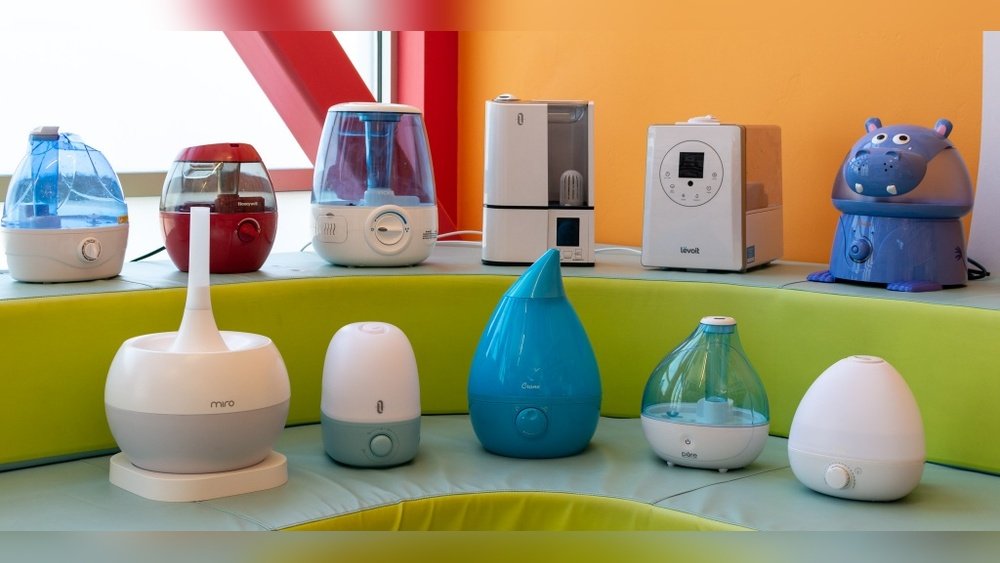
If you want to create the healthiest and most comfortable environment for your baby, choosing the best humidifier is a smart step. Dry air can cause your little one to feel restless, have trouble sleeping, or develop dry skin and congestion.
But with the right humidifier, you can keep the air just right—moist and soothing—helping your baby breathe easier and sleep better. In this guide, you’ll discover how to pick the perfect humidifier that fits your needs and keeps your baby happy and healthy all year round.
Keep reading to find out what features really matter and which models stand out from the rest.
Why Choose A Humidifier For Babies
Choosing a humidifier for babies can make a big difference in their comfort and health. Babies have delicate skin and sensitive airways. Dry air can cause discomfort and even health problems. A humidifier adds moisture to the air, helping your baby breathe easier and stay comfortable.
Benefits For Baby’s Health
Humidifiers help keep the air moist, which protects your baby’s lungs. Moist air can reduce the risk of colds and coughs. It also helps soothe irritated throats and nasal passages. This support is important for babies, as their immune systems are still developing.
Improving Sleep Quality
Dry air can make babies restless and cranky. A humidifier creates a calm environment by easing breathing. This comfort helps babies fall asleep faster and sleep more deeply. Better sleep supports healthy growth and development.
Preventing Dry Skin And Congestion
Babies often get dry, flaky skin in low humidity. A humidifier keeps the skin soft and hydrated. It also helps prevent nasal congestion by loosening mucus. Clear airways mean less fussiness and easier feeding for your baby.
Key Features To Look For
Choosing the best humidifier for your baby involves more than just picking a nice design. The right features keep your baby safe and comfortable. They also make using the humidifier easy and effective. Below are key features to consider to ensure a healthy and cozy environment for your little one.
Safety Features
Safety is the top priority. Look for cool mist humidifiers to avoid burns. Auto shut-off turns the device off when water runs out. BPA-free materials prevent harmful chemicals from affecting your baby. Some models have child locks to stop accidental changes.
Noise Levels
Babies need quiet to sleep well. Choose a humidifier that works silently or with very low noise. Whisper-quiet models do not disturb naps or nighttime sleep. Check customer reviews for noise levels before buying.
Ease Of Cleaning
Clean humidifiers stop mold and bacteria growth. Pick models with wide openings for easy access. Removable parts make cleaning faster and more thorough. Some have cleaning alerts to remind you to clean regularly.
Humidity Control Options
Good humidifiers offer adjustable settings. You can set the desired humidity level for your baby’s comfort. Digital displays help monitor humidity easily. Some devices have built-in sensors for automatic control.
Top Safe Humidifier Models In 2025
Choosing the right humidifier for your baby is important for safe, clean air. Humidifiers add moisture to the air, which helps with dry skin, congestion, and better sleep. In 2025, several models stand out for safety, ease of use, and effectiveness.
These top safe humidifier models suit different needs and room sizes. Each offers features that protect your baby and keep the nursery comfortable.
Best Overall Model
The best overall humidifier balances safety, performance, and ease of cleaning. It uses cool mist to avoid burns and has an automatic shut-off feature. This model runs quietly to avoid disturbing your baby’s sleep. It also has a large water tank to run through the night without refilling.
Best Budget-friendly Option
This model offers safety and good features at a lower price. It includes simple controls and a small water tank perfect for short use. The cool mist function and automatic shut-off ensure your baby stays safe. It fits well in small nurseries and is easy to move around.
Best For Small Rooms
Designed for small spaces, this humidifier is compact and quiet. It uses ultrasonic technology for fine mist and has a night light option. The water tank is just the right size for a small nursery. It is simple to clean and safe for babies.
Best For Large Nurseries
This model has a large water tank to cover big rooms without frequent refills. It offers adjustable mist settings to control humidity levels precisely. The cool mist feature keeps the air safe and comfortable. It runs quietly and has easy-to-use controls for parents.
Quiet Humidifiers For Peaceful Sleep
Babies need calm and quiet to sleep well. A noisy humidifier can disturb their rest. Quiet humidifiers help keep the air moist without making loud sounds. This creates a peaceful space for your baby to sleep deeply.
These humidifiers use smart designs to reduce noise. They work softly, so your baby stays comfortable all night. Many also have features that add comfort and control to your baby’s room.
Ultra-quiet Technology Explained
Ultra-quiet humidifiers use special motors and fans. These parts run smoothly and quietly. The technology reduces vibrations and sound. It lets the humidifier work without loud buzzing or humming noises.
This quiet operation helps babies fall asleep faster. Parents can also enjoy a peaceful night. The gentle mist keeps the air fresh and moist without distraction.
Models With Nightlight Features
Some humidifiers include soft nightlights. These lights provide a gentle glow. It helps babies feel safe in the dark. The light is not too bright to disturb sleep.
Nightlight features add comfort and ease for parents. It makes checking on the baby simple without turning on a harsh light. This small addition supports restful nights for all.
Humidifiers With Adjustable Mist Levels
Adjustable mist settings let you control moisture output. You can choose a low, medium, or high mist. This helps keep the room just right for your baby’s needs.
Changing mist levels can match different room sizes and temperatures. It prevents too much moisture, which can cause discomfort. Custom settings help maintain a healthy, cozy environment for sleep.
Maintenance Tips For Baby Humidifiers
Keeping a baby humidifier clean and well-maintained ensures it works safely and effectively. Proper care helps provide fresh, healthy air for your little one. Simple daily habits and regular checks can stop mold, bacteria, and dust build-up. These tips also extend the life of your humidifier.
Daily Cleaning Routine
Empty the water tank every day after use. Rinse it with clean water to remove leftover moisture. Wipe the base and tank with a soft cloth. Avoid using harsh chemicals or soap that can leave residue. Let all parts dry completely before reassembling. This stops germs from growing inside the humidifier.
Preventing Mold And Bacteria
Use distilled or filtered water to reduce mineral deposits. Avoid leaving water in the tank overnight. Clean the humidifier thoroughly once a week using a vinegar solution. Mix one part white vinegar with four parts water. Let the solution sit inside the tank for 30 minutes. Rinse well to remove all traces of vinegar. Mold and bacteria can cause bad smells and health issues.
Replacing Filters And Parts
Check the filter every week for dirt or damage. Change the filter as recommended by the manufacturer. Replace any worn or broken parts immediately. Using old filters reduces the humidifier’s efficiency. Keep spare filters and parts ready for quick replacement. Clean parts help the humidifier work quietly and safely.
Safe Usage Guidelines
Using a humidifier for your baby can help keep the air moist and ease breathing. Safe use is very important. Follow these guidelines to protect your little one.
Placement In The Nursery
Put the humidifier on a flat, stable surface. Keep it out of your baby’s reach. Avoid placing it near the crib or bedding. This stops wetness from causing mold or damage. Place it near the center of the room for even moisture.
Recommended Humidity Levels
Keep the room humidity between 40% and 60%. Too much moisture can cause mold and dust mites. Too little can dry your baby’s skin and nose. Use a hygrometer to check the levels regularly.
Monitoring And Adjusting Humidifier Use
Check the humidifier daily for water levels and cleanliness. Empty and refill it with fresh water each day. Clean it weekly to stop bacteria and mold growth. Adjust settings as needed to keep humidity steady. Turn it off when the room feels moist enough.
Frequently Asked Questions
What Type Of Humidifier Is Best For Babies?
A cool-mist humidifier is safest and most effective for babies. It adds moisture without the risk of burns from hot steam. Ultrasonic models are quiet and energy-efficient, making them ideal for nurseries.
How Often Should I Clean My Baby’s Humidifier?
Clean your baby’s humidifier every three days to prevent mold and bacteria growth. Use mild soap and water, and rinse thoroughly. Regular cleaning ensures healthy air and prolongs the humidifier’s lifespan.
Can Humidifiers Help With Baby’s Cold Symptoms?
Yes, humidifiers ease congestion and soothe dry nasal passages in babies. Moist air helps reduce coughing and improves sleep quality. Always keep humidity levels between 40-60% for safety.
Where Should I Place A Humidifier In My Baby’s Room?
Place the humidifier at least 3 feet away from the baby’s crib. Position it on a flat, elevated surface to ensure even moisture distribution. Avoid placing it near electronics or direct sunlight.
Conclusion
Choosing the best humidifier helps keep your baby comfortable and healthy. A good humidifier adds moisture to the air, easing breathing and dry skin. Quiet models work well for peaceful sleep. Easy-to-clean humidifiers prevent mold and germs. Always pick one that fits your baby’s room size.
Remember, safety matters most. A well-chosen humidifier supports your baby’s comfort all year round. Small steps can make a big difference in your baby’s well-being. Keep your baby happy and calm with the right humidifier.