
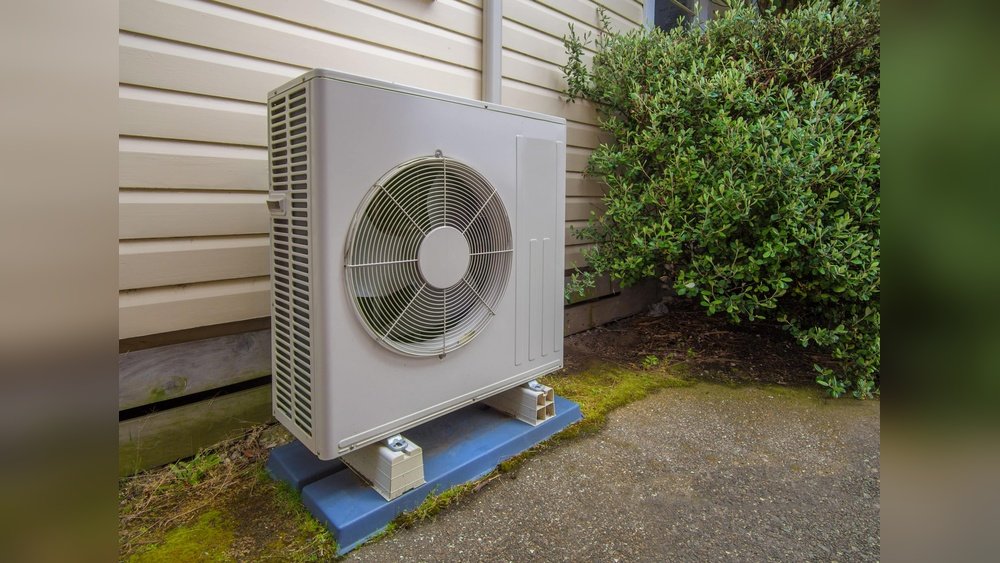
Looking to save money on your energy bills while keeping your home comfortable all year round? Buying a heat pump could be the solution you’ve been searching for.
Imagine having a single system that heats your home in winter and cools it in summer, all while using less energy than traditional methods. You’ll discover exactly why a heat pump is a smart investment for your home, how to choose the right one, and what benefits you can expect.
Ready to make a change that’s good for your wallet and the environment? Keep reading to find out how buying a heat pump can transform your living space.
Benefits Of Heat Pumps
Heat pumps offer many benefits for home heating and cooling. They use less energy than traditional systems. This makes them a smart choice for saving money and helping the environment.
Heat pumps work by moving heat instead of creating it. This simple idea leads to big advantages for homeowners. Let’s explore the key benefits of heat pumps.
Energy Efficiency Gains
Heat pumps use electricity to move heat, not to make it. This process uses less energy. It lowers electricity bills and reduces energy waste. Many heat pumps have high efficiency ratings. This means they perform well even in cold weather.
Using a heat pump reduces the need for fossil fuels. This helps lower your carbon footprint. Homes with heat pumps are more energy-smart and eco-friendly.
Lower Heating Costs
Heat pumps cut heating costs by using less energy. They can save up to 50% on heating bills. This adds up to big savings over time. Heat pumps also need less maintenance than traditional heaters. This reduces repair and replacement expenses.
With stable energy use, monthly bills are easier to manage. Heat pumps offer a cost-effective way to keep homes warm.
Year-round Comfort
Heat pumps provide both heating and cooling. This makes them useful all year. In winter, they warm your home efficiently. In summer, they cool it by removing heat inside.
They keep indoor temperatures steady and comfortable. No need for separate systems for heating and cooling. This saves space and simplifies home climate control.
Types Of Heat Pumps
Heat pumps are an energy-efficient way to heat and cool homes. They move heat instead of creating it, saving energy and money. Different types of heat pumps fit different needs and climates. Understanding these types helps you choose the right one for your home.
Air Source Heat Pumps
Air source heat pumps pull heat from the outside air. They work well in mild climates. They can both heat and cool your home. Installation is simple, and they cost less than other types. These pumps are common and easy to maintain.
Ground Source Heat Pumps
Ground source heat pumps use the earth’s constant temperature. Pipes go underground to collect heat. They are very efficient, especially in cold climates. Installation costs more but saves more energy over time. These pumps last a long time and provide steady heat.
Hybrid Heat Pumps
Hybrid heat pumps combine a heat pump with a traditional furnace. They switch between systems for the best efficiency. This option works well in areas with very cold winters. It balances comfort and energy savings. Hybrid pumps adjust automatically for the best heat source.
Choosing The Right Heat Pump
Choosing the right heat pump is key to keeping your home comfortable all year. The perfect unit saves energy and cuts costs. It fits your house size, climate, and current heating system. Take time to learn what suits your needs best.
Sizing And Capacity
Pick a heat pump that matches your home’s size. A unit too small will struggle to heat or cool properly. One too large wastes energy and costs more. Professionals use calculations to find the right capacity. This ensures steady comfort and efficiency.
Climate Considerations
Think about your local weather. Some heat pumps work better in cold areas. Others suit mild or warm climates. Choose a model designed for your temperature range. This helps the pump work well in winter and summer.
Compatibility With Existing Systems
Check if the heat pump fits your current heating system. Some models connect easily to furnaces or ductwork. Others may need extra changes or new parts. Compatibility lowers installation costs and hassle. Ask a technician to review your setup before buying.
Installation Process
Installing a heat pump is a key step in improving home comfort and energy efficiency. The process requires careful planning and professional work. Understanding each stage helps ensure a smooth setup and long-lasting performance.
Finding A Qualified Installer
Choose an installer with experience in heat pump systems. Check for proper licenses and certifications. Ask for references or reviews from past customers. A skilled installer ensures correct setup and avoids future problems.
Site Assessment
The installer visits your home to evaluate the space. They check the size, insulation, and electrical system. This step determines the best heat pump model and placement. Proper assessment helps maximize efficiency and comfort.
Installation Timeline
Installation usually takes one to three days. The time depends on system complexity and home size. The installer connects indoor and outdoor units carefully. After setup, they test the system to confirm it works well.
Cost And Savings Analysis
Understanding the cost and savings of buying a heat pump helps you make a smart choice. A heat pump can lower energy bills and increase home comfort. This section breaks down the main costs and savings to consider.
Initial Investment
The upfront cost of a heat pump is higher than some traditional systems. Prices vary based on size, brand, and installation complexity. Expect to pay for the unit and professional installation. This investment pays off by reducing future energy costs.
Energy Savings Over Time
Heat pumps use electricity efficiently to heat and cool your home. They consume less energy than electric resistance heaters or gas furnaces. Monthly savings on energy bills grow over time. Many homeowners see noticeable drops in utility costs within the first year.
Available Incentives And Rebates
Many governments and utilities offer rebates for heat pump purchases. These incentives lower your initial cost. Check local programs for eligibility. Combining rebates with energy savings improves the overall value of your heat pump.
Maintenance Tips
Maintaining your heat pump helps it run smoothly and last longer. Simple care keeps energy bills low and comfort high. Follow these maintenance tips to keep your heat pump in top shape.
Regular Inspections
Check your heat pump every few months. Look for signs of wear or damage. Listen for strange noises or vibrations. Early checks prevent costly repairs later. Hire a professional for a detailed inspection once a year.
Cleaning And Filter Replacement
Clean the outdoor unit to remove dirt and debris. Replace filters every 1 to 3 months. Clean filters improve airflow and efficiency. Dirty filters make the heat pump work harder. Use a soft brush or vacuum to clean filters gently.
Troubleshooting Common Issues
Watch for uneven heating or cooling. Check if the thermostat settings are correct. Clear snow or leaves blocking the outdoor unit. Reset the system by turning it off and on. Call a technician if problems persist after these steps.
Environmental Impact
Choosing a heat pump has a strong effect on the environment. It changes how homes use energy and helps protect our planet. Heat pumps use less electricity than traditional heating systems. This makes them a smart choice for green living.
Reducing Carbon Footprint
Heat pumps cut down carbon emissions. They use the air or ground to heat your home. This means less burning of fossil fuels. Lower fossil fuel use means fewer greenhouse gases. Small changes in many homes can make a big difference.
Sustainable Heating Solution
Heat pumps rely on renewable energy sources. They do not use gas or oil. This makes them a long-term solution. They also last many years with little maintenance. This reduces waste and energy use over time.
Impact On Local Air Quality
Heat pumps do not produce smoke or fumes. This keeps the air around homes cleaner. Better air quality helps reduce health problems. Neighbors and families breathe easier and live healthier lives.
Frequently Asked Questions
What Is A Heat Pump And How Does It Work?
A heat pump transfers heat from outside to inside your home. It uses electricity to move heat rather than generate it. This makes it energy-efficient for both heating and cooling throughout the year.
Why Should I Buy A Heat Pump For My Home?
Heat pumps save energy and reduce utility bills. They provide efficient heating and cooling with lower emissions. Installing one increases your home’s comfort and can qualify you for tax incentives.
How Much Does It Cost To Buy A Heat Pump?
Heat pump prices vary from $3,000 to $8,000. Installation costs depend on your home size and system type. Consider long-term energy savings when evaluating the upfront price.
Are Heat Pumps Suitable For Cold Climates?
Modern heat pumps work well even in cold climates. They use advanced technology to extract heat from freezing air. Many models perform efficiently below freezing temperatures.
Conclusion
Choosing a heat pump saves energy and cuts costs. It keeps your home warm in winter and cool in summer. Heat pumps work quietly and last many years. They help reduce pollution and protect the environment. Installation is simple with the right expert help.
Consider your home size and climate before buying. A good heat pump gives comfort and value. Take time to compare models and prices. Your home will feel cozy all year long. Investing in a heat pump is a smart choice.